What is the Real Purpose of CSV ?
Computer System Validation is not just about testing software. Its main purpose is to make sure that a computerized system works correctly, produces reliable results, and follows regulatory requirements. In industries like pharmaceuticals, medical devices, and laboratories, validated systems help protect patient safety and ensure data accuracy.
CSV involves documentation, risk analysis, testing, review, and approval. It is both a technical and a compliance-driven activity. That means it requires not only tools and processes but also human judgment.
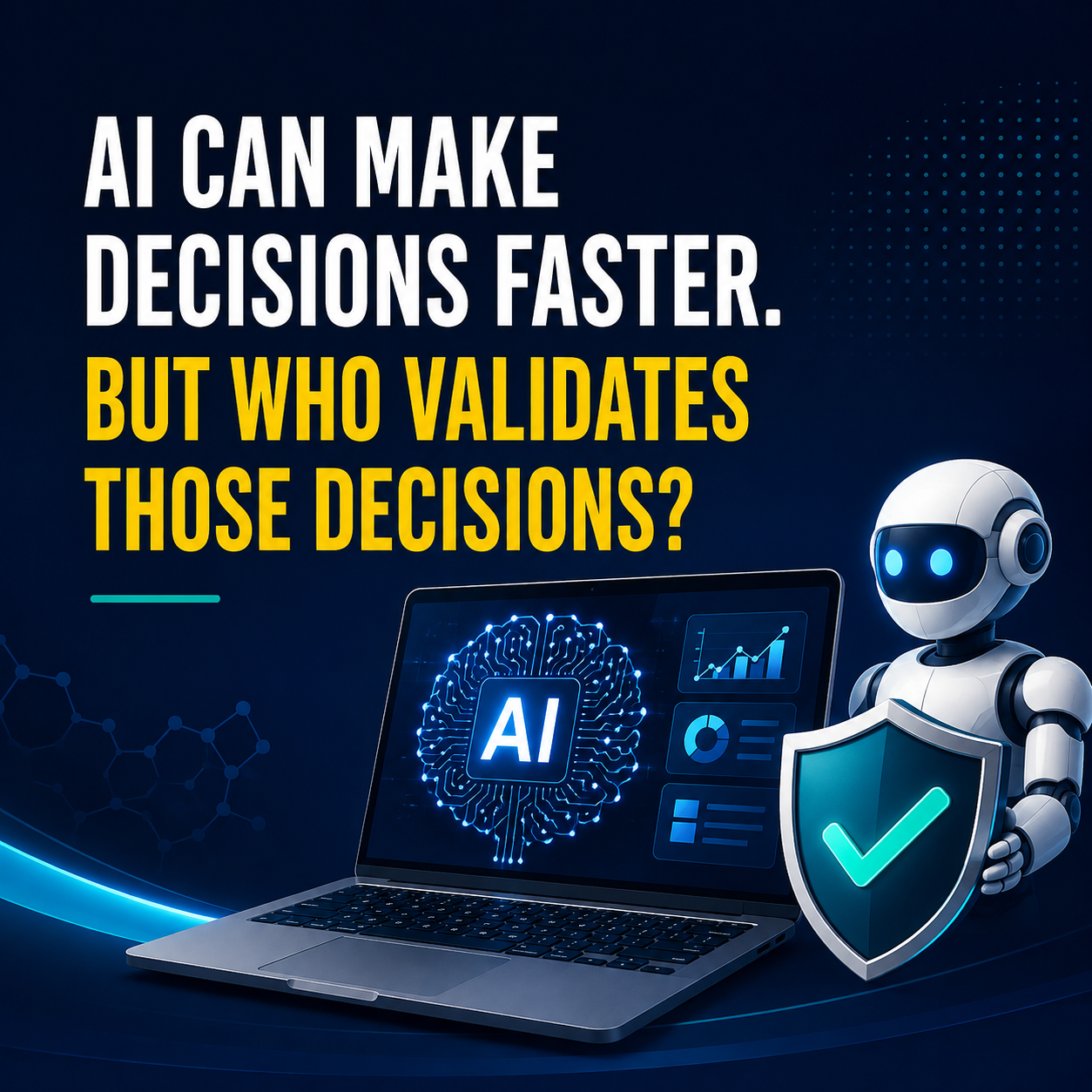
Can AI Completely Replace CSV?
The short, reassuring answer is: No. It is incredibly unlikely that AI will ever fully replace the CSV process.
Why? Because at the end of the day, regulatory bodies like the FDA or EMA demand accountability. They require traceability and documented decision-making protocols. You simply cannot hand over legal and ethical responsibility to a machine learning algorithm. AI is fantastic at analyzing massive datasets to find patterns, but it has zero understanding of the business context or the compliance implications of those patterns.
For example, if a validated system fails in a pharmaceutical company, regulators will not ask an algorithm why it approved the system. They will expect a human explanation backed by proper documentation. Validation is not just about efficiency—it is about trust, compliance, and responsibility.
Where AI Can Actually Help CSV
1. Faster Risk Assessment
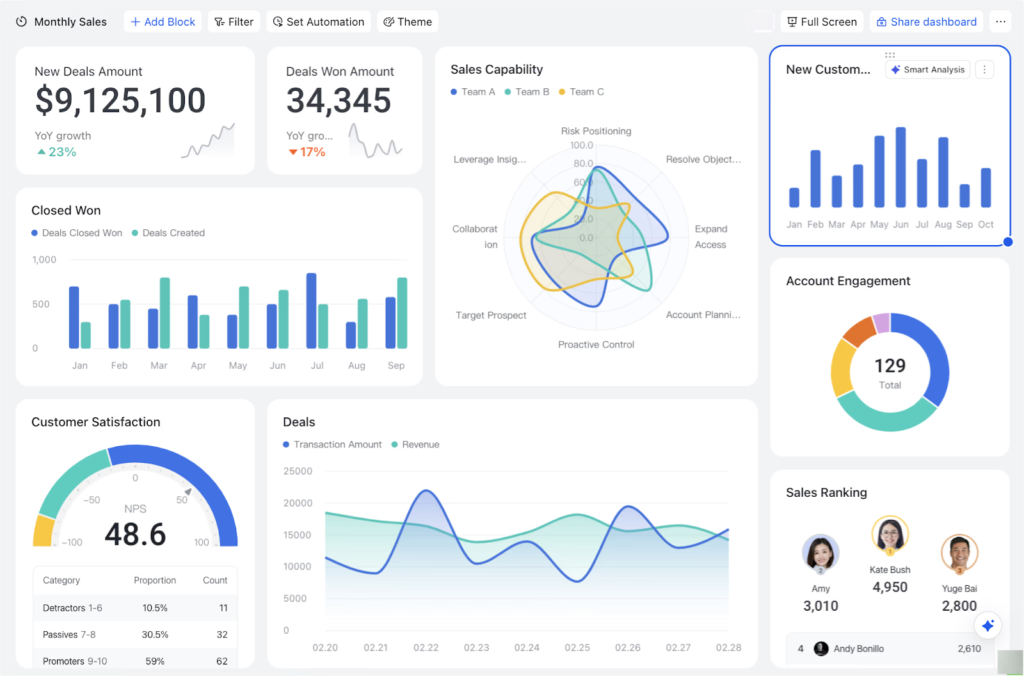
AI tools can analyze large amounts of system data and identify high-risk areas quickly. This helps validation teams focus on critical functions instead of spending equal time on low-risk parts.
2. Smarter Test Generation
AI can help create test scenarios automatically by studying system workflows and previous defects. This can reduce manual effort and improve test coverage.
3. Better Documentation Support
Writing validation documents is time-consuming. AI tools can assist in drafting templates, summarizing logs, and organizing test evidence. This does not replace human review, but it can reduce repetitive work.
4. Continuous Monitoring
AI can monitor system performance after deployment and alert teams if unusual patterns appear. This supports the concept of lifecycle validation rather than one-time validation.
These benefits show that AI can act like a powerful assistant for validation teams rather than a replacement.
Will AI Change the Role of CSV Professionals?
Yes, AI will definitely change how CSV professionals work.
In the future, validation experts may spend less time writing repetitive documents and more time analyzing risks, reviewing automated results, and making compliance decisions. The role will shift from manual execution to strategic oversight.
This means professionals who understand both validation principles and modern technology will be in higher demand.
Instead of reducing jobs, AI may actually create a need for more skilled validation specialists who can manage automated systems responsibly.
Final Thoughts
AI is transforming industries, but Computer System Validation is built on responsibility, compliance, and trust. These are areas where human judgment still matters a lot.
So, the future is not about AI replacing CSV. The future is about AI strengthening CSV by reducing manual workload, improving accuracy, and helping teams focus on what truly matters — patient safety and data integrity.
Organizations that learn to combine AI tools with strong validation practices will be better prepared for the future. And professionals who adapt to this change will remain valuable in the evolving world of regulated technology.