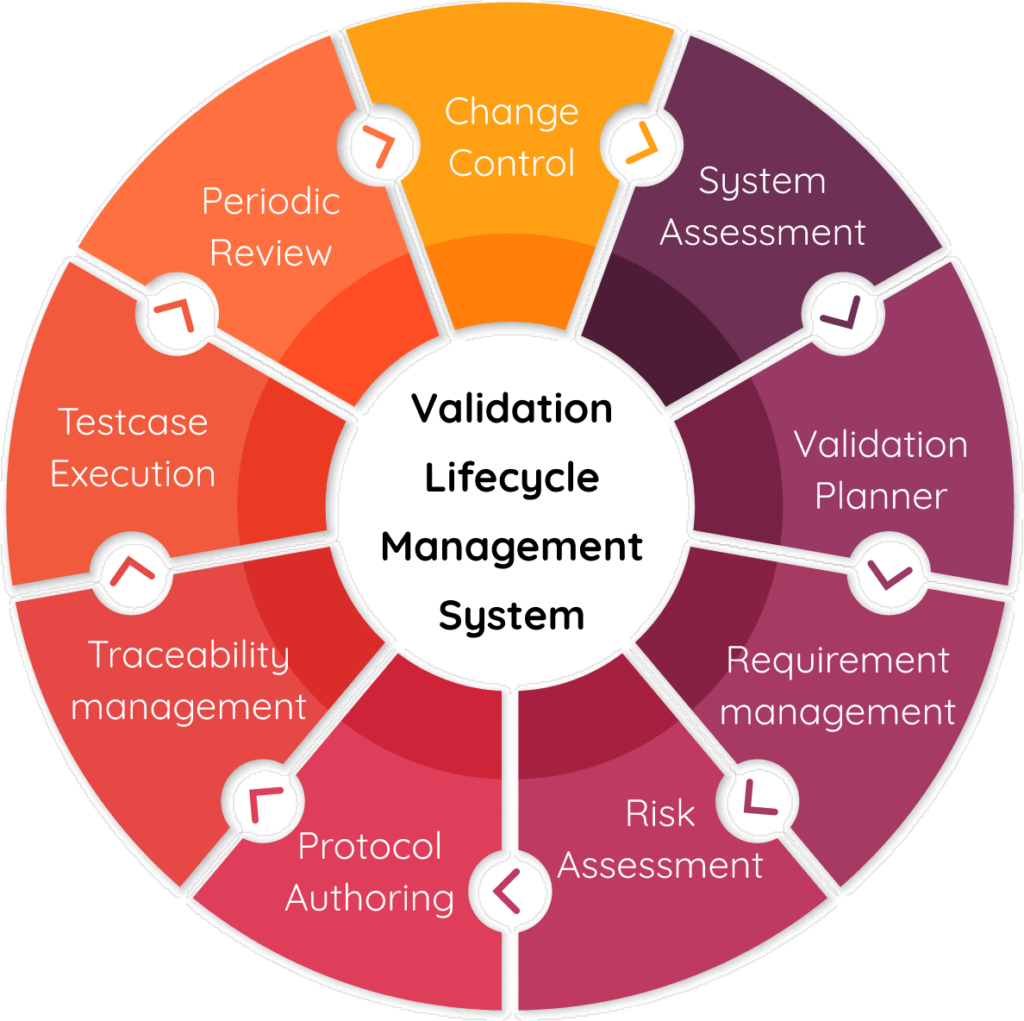
In Computer System Validation (CSV), you will often hear terms like URS, FS, DS, IQ, OQ, and PQ. For beginners, these can sound confusing and very technical. But in reality, they are just steps that help ensure a system works correctly and meets its intended purpose.
These documents and activities are part of the validation lifecycle. Their main goal is to make sure the system is reliable, compliant, and safe to use, especially in regulated industries like pharmaceuticals, healthcare, and laboratories.
1. URS – User Requirement Specification
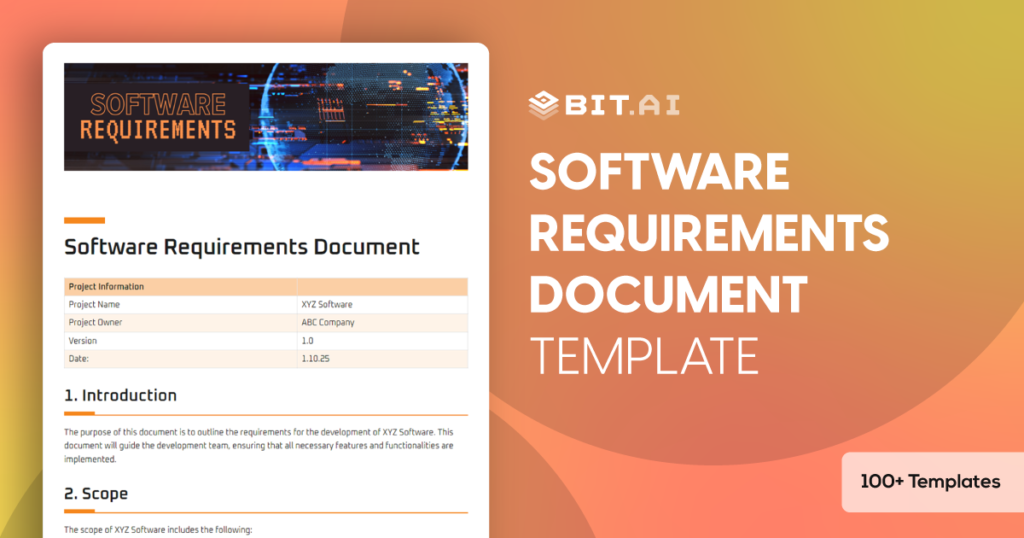
URS is the starting point of validation. This document explains what users actually need from the system.
It focuses on business needs rather than technical details. For example, a laboratory system may require secure login, audit trails, and report generation. These expectations are written in the URS.
You can think of URS as the answer to the question:
“What should this system do for us?”
A clear URS helps prevent confusion later and ensures that the system is built according to real user needs.
2. FS – Functional Specification
Once requirements are defined, the next step is Functional Specification.
FS explains how the system will fulfill the user requirements. It describes the functions, workflows, and system behavior in detail.
If URS says, “The system should generate reports,” then FS explains what type of reports, how they are generated, and what data they include.
So FS answers the question:
“How will the system meet user needs?”
3. DS – Design Specification
Design Specification goes deeper into the technical side.
This document explains how the system will be technically built. It includes architecture, database structure, system components, and integrations.
While FS focuses on functions, DS focuses on system design.
You can think of DS as answering:
“How will the system be constructed internally?”
This document is mostly used by developers and technical teams but is still important for validation because it ensures traceability from requirements to design.
4. IQ – Installation Qualification
Once the system is built and ready, validation testing begins. The first testing step is Installation Qualification.
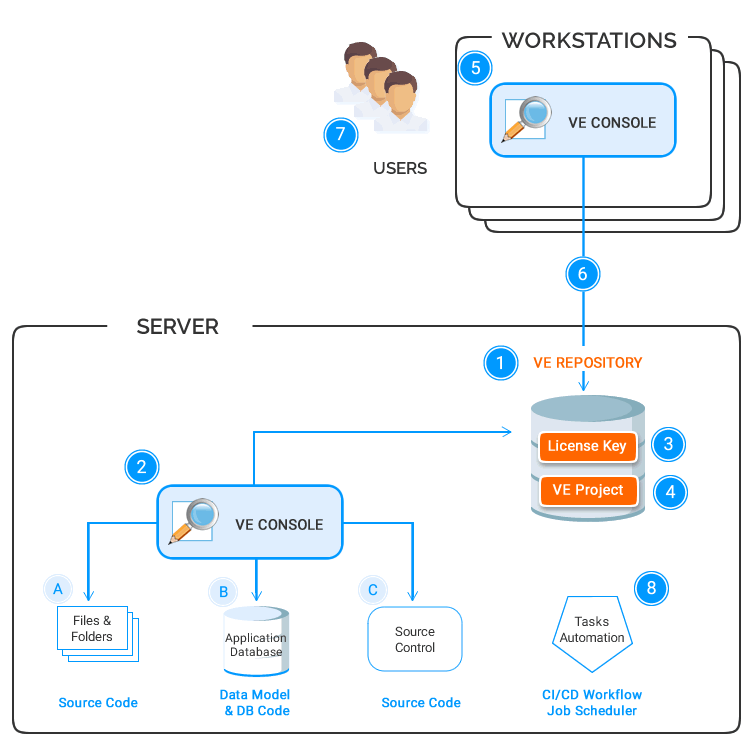
IQ checks whether the system is installed correctly in the intended environment. This includes verifying hardware, software versions, configurations, and access controls.
It ensures that everything is set up as planned.
IQ basically answers:
“Was the system installed properly?”
5. OQ – Operational Qualification
After confirming installation, the next step is Operational Qualification.
OQ tests whether the system functions correctly according to the functional requirements. It checks system operations, security features, workflows, and error handling.
In simple terms, OQ verifies that the system works as expected under controlled conditions.
It answers:
“Does the system operate correctly?”
6. PQ – Performance Qualification
The final validation stage is Performance Qualification.
PQ checks whether the system performs well in real-life conditions with actual users and data. This step confirms that the system supports daily business operations effectively.
PQ is important because a system might work in testing but behave differently in real usage.
It answers:
“Does the system perform properly in real work situations?”
Why These Steps Matter in CSV
Together, URS, FS, DS, IQ, OQ, and PQ create a structured validation approach.
They help ensure:
- Systems meet user expectations
- Software works reliably
- Data remains accurate and secure
- Regulatory compliance is maintained
Without these steps, companies may face system failures, audit issues, or compliance risks.
Validation is not just documentation — it is about building confidence that the system is safe and dependable.
Final Thoughts
Understanding URS, FS, DS, IQ, OQ, and PQ is essential for anyone entering the Computer System Validation field. These are the building blocks of the validation lifecycle.
Once you understand how they connect — from defining needs to verifying performance — CSV becomes much easier to learn and apply.
For beginners, the key is to remember this simple flow:
Requirements → Design → Installation → Operation → Performance
If this flow is clear, the entire validation process becomes logical and easy to follow.