
In modern manufacturing, maintaining consistent product quality is more important than ever. Customers expect reliable products, regulatory bodies demand strict compliance, and businesses must avoid production delays and costly errors. Even a small mistake during manufacturing can affect an entire batch of products, leading to wasted materials, production downtime, and sometimes product recalls.
To deal with these challenges, many companies are turning to Manufacturing Execution Systems (MES).
MES is a digital system that helps manufacturers monitor and control production activities in real time.
What is a Manufacturing Execution System (MES)?
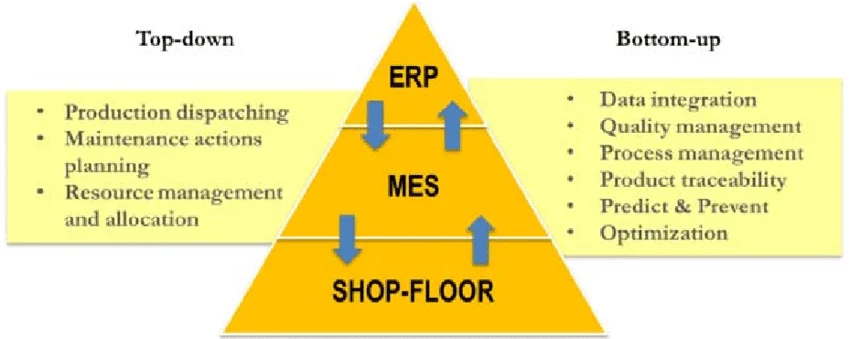
A Manufacturing Execution System (MES) is a software platform that monitors, tracks, and manages manufacturing operations on the shop floor. It collects production data from machines, sensors, and operators, and converts that information into meaningful insights.
MES usually works as a bridge between Enterprise Resource Planning (ERP) systems and the physical production environment.
Some key functions of MES include:
- Tracking production progress
- Managing work orders
- Monitoring equipment performance
- Collecting real-time production data
- Managing quality checks
- Recording batch and product history
Real-Time Production Monitoring
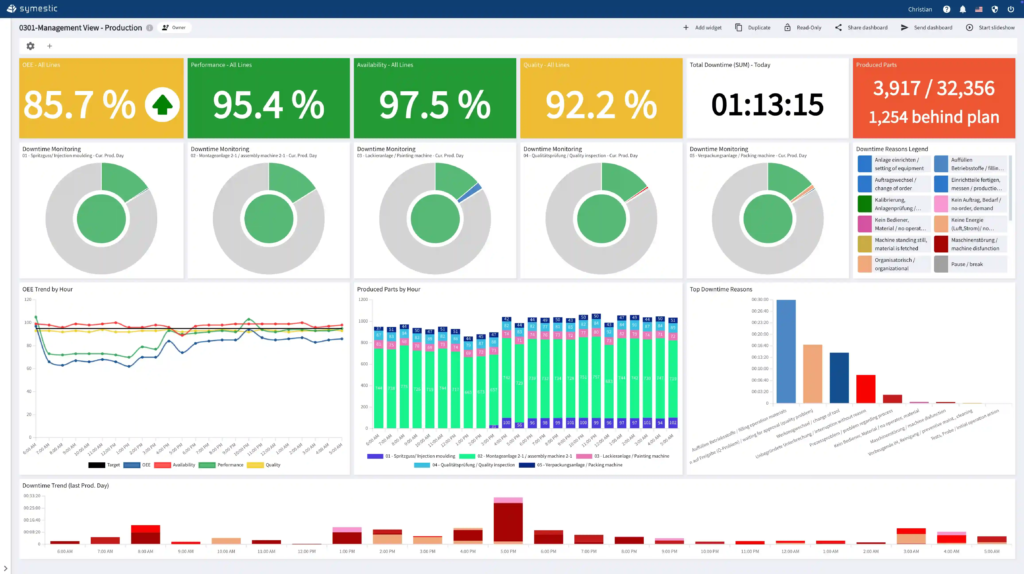
MES solves this problem by collecting data directly from machines and systems on the production floor. This information is displayed through dashboards that allow managers and supervisors to monitor production activities as they happen.
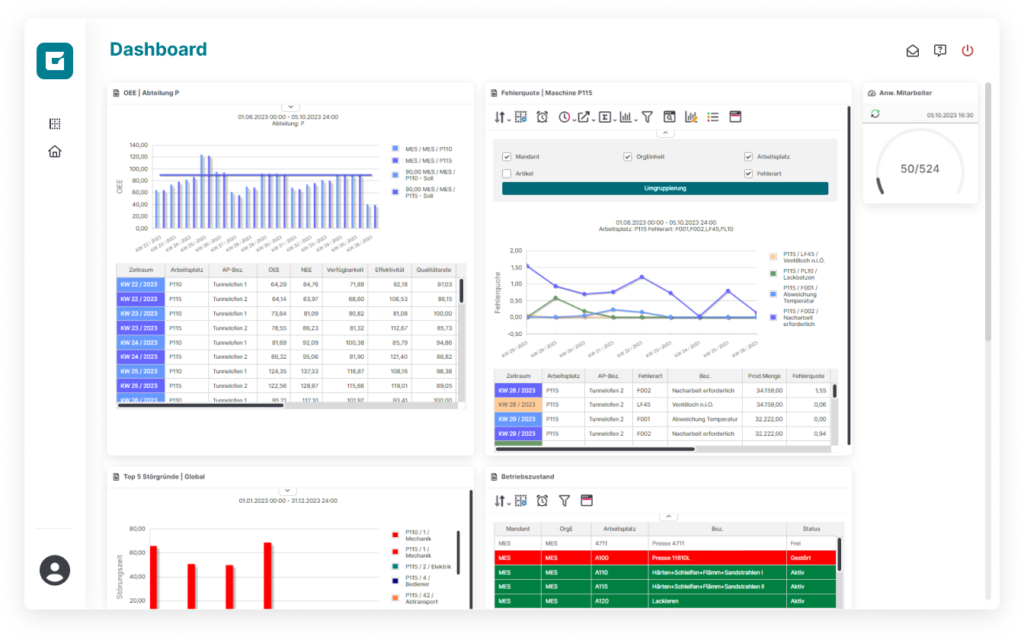
Real-time monitoring helps organizations:
- Detect equipment issues quickly
- Identify production delays
- Monitor machine performance
- Improve response time to problems
When managers have clear visibility into the production process, they can solve problems earlier and prevent them from becoming major quality issues.
Standardized Work Instructions for Operators
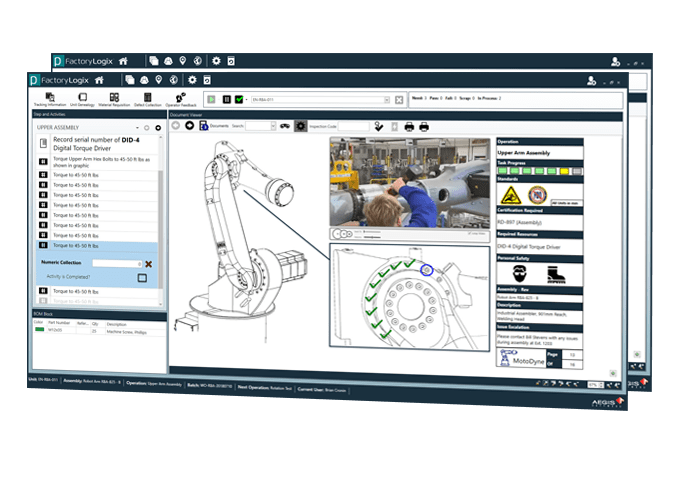
MES addresses this issue by providing digital work instructions directly to operators. These instructions are displayed on screens, tablets, or workstations located near the production line.
Digital work instructions guide operators step by step through each stage of the process. If a step is missed or performed incorrectly, the system can alert the operator or prevent the next step from starting.
This approach offers several benefits:
- All operators follow the same standard process
- Training new employees becomes easier
- The risk of human error is reduced
- Production processes become more consistent
Better Quality Control and Compliance
Quality control is a critical part of any manufacturing operation. Industries such as pharmaceuticals, medical devices, biotechnology, and food production must also follow strict regulatory requirements.
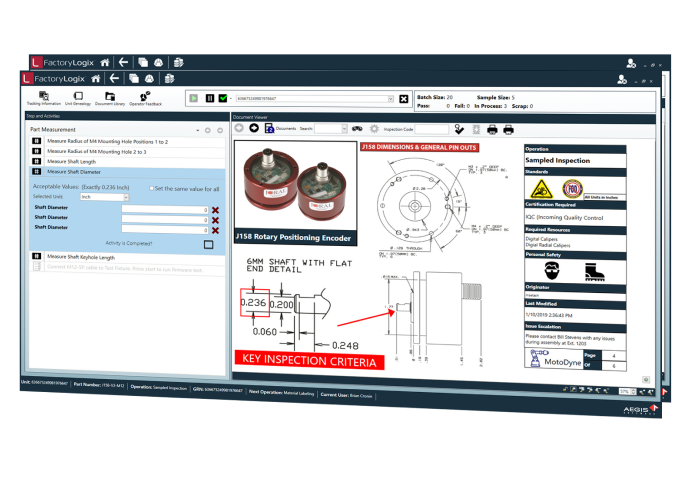
- With MES, companies can:
- Record inspection results
- Monitor product defects
- Track deviations or non-conformances
- Maintain compliance documentatio
Improved Traceability and Product History
MES provides complete production traceability by recording every step of the manufacturing process.
The system can track:
- Raw materials used in production
- Machines involved in the process
- Operator activities
- Production parameters
- Batch and lot numbers
Reduction of Manual Data Entry Errors
Manual data entry is another common source of manufacturing mistakes. Paper records and spreadsheets can easily contain errors, missing information, or inconsistent data.
This leads to several advantages:
- More accurate production records
- Reduced documentation errors
- Reliable production reports
- Faster and better decision making
Automation not only improves data accuracy but also saves time for operators and production staff.
Conclusion
A Manufacturing Execution System (MES) provides the visibility, control, and data needed to improve manufacturing performance. Through real-time monitoring, standardized procedures, stronger quality control, and better traceability, MES helps companies reduce errors and maintain consistent product quality.
For organizations moving toward digital manufacturing and Industry 4.0, MES is becoming an essential part of the production environment. By implementing MES, manufacturers can build more reliable processes, improve operational efficiency, and deliver better products to their customers.