
Introduction
In today’s digital world, data migration is a regular part of system upgrades. CSV files are often the first choice because they are simple, lightweight, and work with almost every tool. But moving data using CSV still needs proper planning and validation, otherwise small mistakes can turn into big problems later.
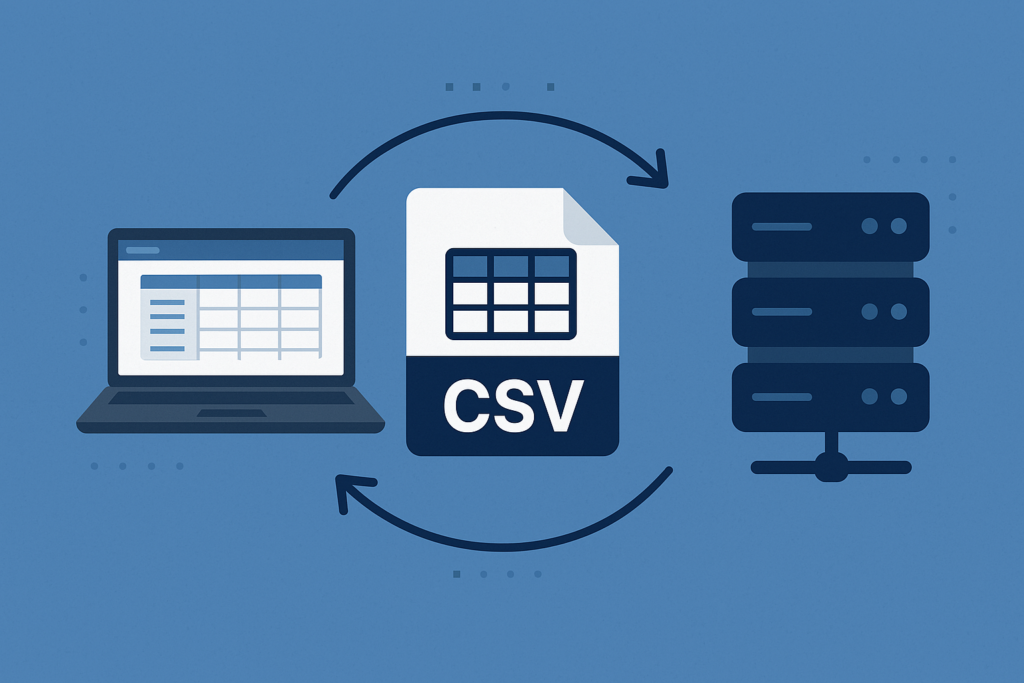
HOW DATA MIGRATION WORKS
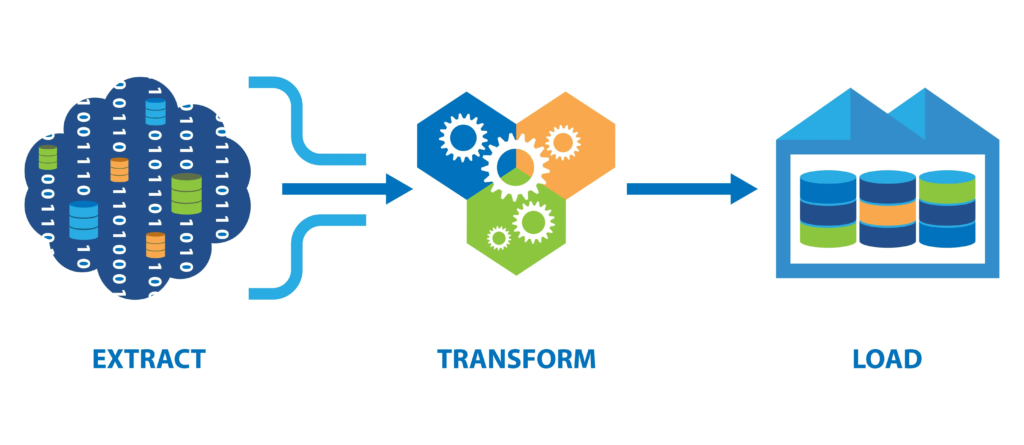
Data migration means moving data from one system to another. It usually happens in three simple steps:
- Extraction: Data is taken from the source system like a legacy database, CRM, or ERP.
- Transformation: Data is cleaned, formatted, and validated as per the new system’s needs.
- Loading: The final data is uploaded into the target system, often using CSV files
CSV Data Migration – Must-Have Requirements
 Data Integrity: Data must stay accurate, complete, consistent, and traceable throughout migration, following ALCOA+ principles without compromise.
Audit Trail: All migration activities, changes, and checks must be logged clearly to support transparency, accountability, and regulatory inspections.
Traceability: Migrated data should always be traceable back to its original source for audits, investigations, and compliance verification.
Risk-Based Approach: Data migration efforts should be based on risk, with higher validation focus on critical and patient-impacting data.
Test Data Strategy: Test data or samples should be used to verify migration accuracy before moving live, production data.
Robust Documentation: Migration plans, mapping documents, test results, and final reports must be well-maintained and audit-ready.
.
What Happens Without Proper Data Migration?
Improper or unplanned data migration can create serious business and compliance challenges:
- Data Loss: Critical business and regulatory data may remain in legacy systems, causing incomplete and unreliable datasets.
- System Compatibility Issues: Older data formats may fail to integrate with modern applications, limiting data usability.
- Operational Inefficiency: Teams spend extra time fixing errors, re-entering data, and resolving migration-related issues.
- Inaccurate Business Insights: Poor data quality leads to incorrect analysis, reporting errors, and weak decision-making.
- Customer Trust Impact: Missing or corrupted customer data can harm relationships and reduce brand credibility.
Conclusion
Data migration using CSV files is more than a technical task—it is a business necessity. Smooth data movement between systems helps organizations protect data accuracy, integrity, and availability. CSV files are widely used because they are simple, flexible, and compatible with almost every system.
Success depends on well-structured CSV files, proper data validation, and a clear migration plan. When handled correctly, CSV-based data migration improves efficiency, reduces errors, and supports confident decision-making in a data-driven environment.