
As digital systems continue to evolve, regulated industries such as pharmaceuticals, medical devices, and life sciences are rethinking how they ensure software quality and compliance. Traditionally, Computer System Validation (CSV) has been the backbone of compliance. More recently, regulators like the FDA have introduced odern, risk-based alternative.
| Computer System Validation (CSV) | Computer System Assurance |
| Computer System Validation (CSV) is a documented process to ensure that a computerized system consistently performs as intended, in accordance with regulatory requirements (like FDA, GxP, 21 CFR Part 11). | Computer Software Assurance (CSA) is a risk-based approach that focuses on ensuring that software performs as intended for patient safety, product quality, and data integrity, rather than on excessive documentation. |
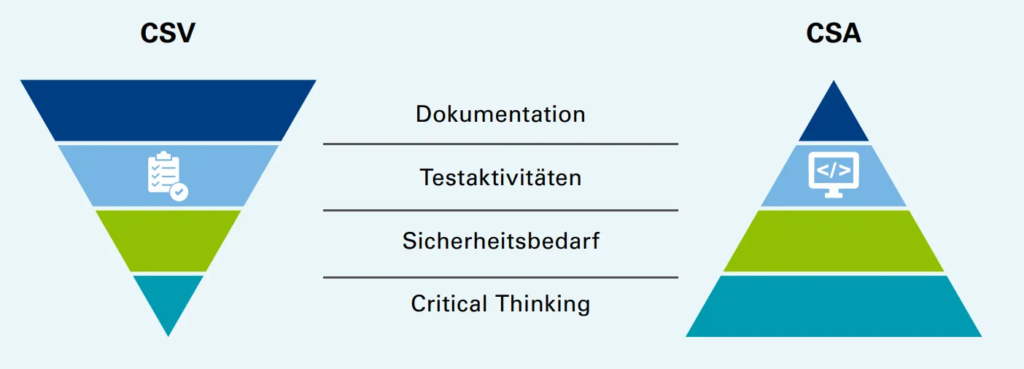
Why CSV Is Still Stronger Than CSA in Practice
Although CSA is modern and practical, CSV is still more reliable in many real-world scenarios, especially in highly regulated environments.
1. CSV Provides Stronger Audit Evidence
Regulators and auditors still expect clear, documented proof. CSV produces structured evidence that is easy to review, trace, and defend during inspections.
CSA allows flexibility, but during an audit, “less documentation” can quickly become “not enough documentation.”
2. CSV Reduces Subjectivity
CSA depends heavily on tester judgment. While this is powerful, it can also introduce inconsistency.
CSV, with its scripted approach, ensures:
- Repeatability
- Consistency across teams
- Predictable outcomes
3. CSV Fits High-Risk Systems Better
For systems impacting:
- Patient safety
- Product release
- Regulatory submissions
CSV’s rigor is not optional — it is necessary.
Where CSA Clearly Has Advantages
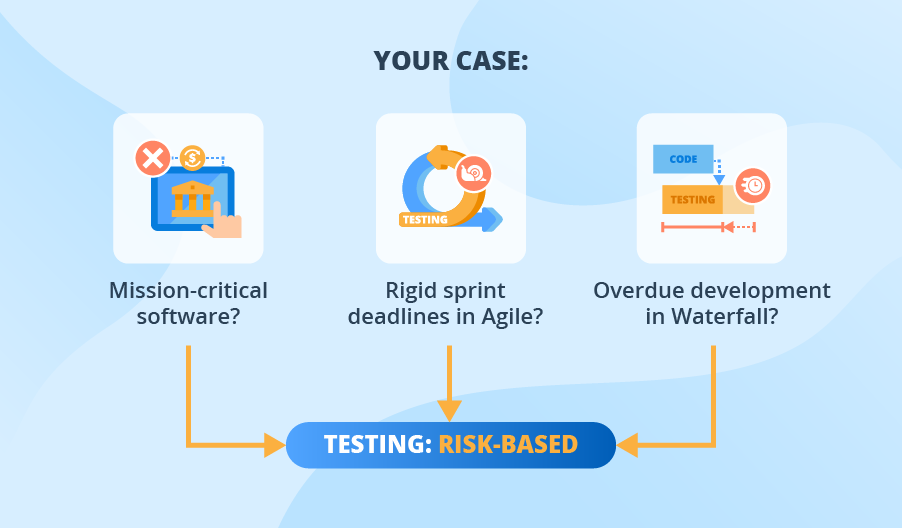
1. CSA Reduces Unnecessary Documentation
CSV can become documentation-heavy. CSA helps teams:
- Avoid over-testing low-risk features
- Focus effort where failures actually matter
- Save time and cost
2. CSA Aligns Well With Agile and Modern Development
Modern software changes fast. CSA supports:
- Agile delivery
- Cloud and SaaS platforms
- Frequent updates
Traditional CSV struggles to keep pace here.
3. CSA Encourages Better Testing Thinking
Exploratory testing, error guessing, and “day-in-the-life” testing often find real-world issues that scripted tests miss.
CSA encourages testers to think, not just execute scripts.
CSV vs CSA: The Real Answer Is “Both”
The industry debate often frames this as CSV vs CSA, but in reality, the most effective approach is CSV + CSA together.
A practical strategy looks like this:
- Use CSV for high-risk, GxP-critical functionality
- Apply CSA principles for low-risk, non-critical features
- Maintain documentation where it adds value
- Reduce documentation where it does not
Regulators are not asking organizations to abandon CSV. They are asking them to validate smarter.