Managing Computer System Validation (CSV) verification across multiple Application Lifecycle Management (ALM) tools presents a significant challenge for many industries. Each ALM tool often has its own processes, data formats, and reporting standards, which can lead to inefficiencies, errors, and delays. A unified automation framework designed for CSV verification management can bridge these gaps, providing a consistent, efficient, and transparent approach to validation activities.
This post explores how such a framework can transform CSV verification management, offering practical insights and examples to help teams improve quality and compliance while reducing manual effort.
Unified dashboard displaying CSV verification status across ALM platforms
Challenges in Managing CSV Verification Across ALM Tools
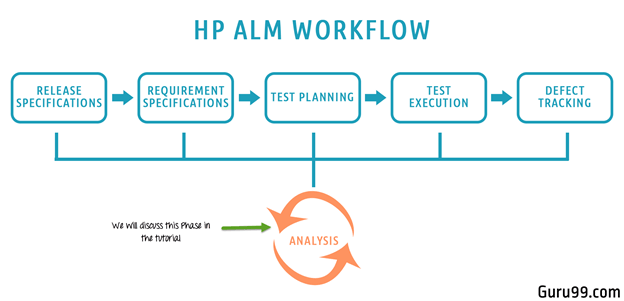
Organizations often use different ALM tools like Jira, HP ALM, or Azure DevOps to manage their software development and validation processes. While these tools serve their purposes well individually, managing CSV verification across them creates several challenges:
- Data inconsistency: Each tool stores verification data differently, making it difficult to consolidate and compare results.
- Manual tracking: Teams spend excessive time manually gathering and updating verification status from multiple sources.
- Compliance risks: Disparate systems increase the risk of missing critical validation steps or documentation, which can lead to regulatory non-compliance.
- Limited visibility: Stakeholders struggle to get a real-time, comprehensive view of verification progress across projects.
These issues slow down validation cycles and increase the chance of errors, which can impact product quality and regulatory approval timelines.
How a Unified Automation Framework Helps
A unified automation framework for CSV verification management connects multiple ALM tools into a single, coherent system. This framework automates data collection, verification tracking, and reporting, providing several key benefits:
- Centralized data management: The framework aggregates verification data from all ALM tools into one platform, ensuring consistency and easy access.
- Automated status updates: Verification statuses update automatically based on predefined rules and triggers, reducing manual work.
- Standardized reporting: Reports follow a uniform format regardless of the source ALM tool, simplifying audits and reviews.
- Real-time visibility: Stakeholders can monitor verification progress across projects and tools through dashboards and alerts.
By automating these tasks, teams can focus on analysis and decision-making rather than data gathering.

Key Components of the Framework
Building an effective unified automation framework involves several components working together:
- Integration connectors: These modules connect to each ALM tool’s API or database to extract verification data.
- Data normalization engine: This component standardizes data formats and fields to create a common data model.
- Verification rules engine: It applies validation rules to determine verification status and flag issues.
- Dashboard and reporting tools: These provide visual summaries and detailed reports for different user roles.
- Audit trail and compliance logs: The framework maintains detailed logs of all verification activities for regulatory compliance.
Each component plays a vital role in ensuring the framework delivers accurate, timely, and compliant verification management.
Practical Example: Pharmaceutical Industry Use Case
In the pharmaceutical industry, CSV verification is critical to ensure software systems meet regulatory standards such as FDA 21 CFR Part 11. A global pharmaceutical company implemented a unified automation framework to manage CSV verification across Jira and HP ALM.
Before the framework, their validation team spent over 30% of their time manually consolidating verification results from both tools. After implementation, the framework automatically pulled verification data, applied validation rules, and generated compliance-ready reports.
The results included:
- 40% reduction in time spent on verification tracking
- Improved accuracy with fewer manual errors
- Faster audit preparation with standardized reports
- Enhanced visibility for project managers and quality teams
This example shows how a unified framework can deliver measurable improvements in CSV verification management.
Software engineer reviewing CSV verification dashboard integrating multiple ALM tools
Steps to Implement a Unified Automation Framework
Organizations interested in adopting such a framework can follow these steps:
- Assess current ALM tools and processes: Identify all ALM tools in use and map out existing CSV verification workflows.
- Define common data standards: Agree on a standard data model and verification criteria that apply across tools.
- Select or develop integration connectors: Build or acquire connectors to extract data from each ALM tool.
- Develop the automation and rules engine: Implement logic to automate verification status updates and issue detection.
- Create dashboards and reports: Design user-friendly interfaces for monitoring and compliance reporting.
- Pilot and refine: Test the framework with a small project, gather feedback, and make improvements.
- Roll out organization-wide: Train teams and integrate the framework into standard operating procedures.
Following these steps helps ensure a smooth transition and maximizes the framework’s benefits.
Benefits Beyond Efficiency
While saving time and reducing errors are clear advantages, a unified automation framework also supports:
- Better collaboration: Teams across departments and locations work with the same data and tools.
- Improved compliance: Consistent documentation and audit trails simplify regulatory inspections.
- Scalability: The framework can grow with the organization, supporting new ALM tools or projects.
- Data-driven decisions: Real-time insights enable proactive risk management and continuous improvement.
These benefits contribute to stronger quality management and faster product delivery.