Computer System Validation (CSV) plays a critical role in regulated industries such as pharmaceuticals, biotechnology, and medical devices. Ensuring that computer systems perform as intended and comply with regulatory requirements is essential for product quality and patient safety. Within this process, Electronic Records (ER) and Electronic Signatures (ES) have become indispensable components. This post explores why ER/ES is required in CSV, how they contribute to compliance, and practical considerations for their implementation.

What Are Electronic Records and Electronic Signatures?
Electronic Records (ER) refer to any data or information created, modified, maintained, archived, retrieved, or distributed in digital form. These records replace traditional paper documents and include validation protocols, test results, audit trails, and system logs.
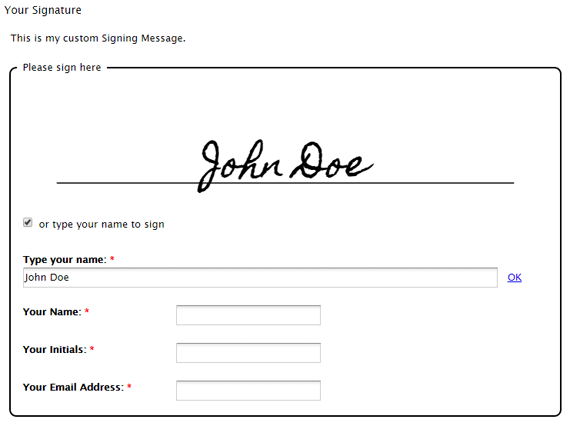
Electronic Signatures (ES) are digital equivalents of handwritten signatures. They provide authentication and approval for electronic records, ensuring the integrity and accountability of the data. ES can take various forms, such as typed names, digital certificates, or biometric identifiers, depending on the system and regulatory requirements.
Why ER/ES Is Essential in Computer System Validation
Regulatory Compliance
Regulatory agencies like the U.S. Food and Drug Administration (FDA) and the European Medicines Agency (EMA) require strict controls over electronic records and signatures. The FDA’s 21 CFR Part 11 regulation specifically addresses the use of ER/ES in FDA-regulated environments. It mandates that electronic records and signatures must be trustworthy, reliable, and equivalent to paper records and handwritten signatures.
Using ER/ES in CSV ensures that:
- Records are accurate and complete.
- Signatures are legally binding and linked to their respective records.
- Systems maintain audit trails to track changes and user actions.
- Data integrity is preserved throughout the system lifecycle.
Enhancing Data Integrity and Security
Data integrity is the foundation of CSV. ER/ES help maintain data integrity by:
- Preventing unauthorized access or alterations.
- Providing traceability of who created, modified, or approved records.
- Enabling secure storage and retrieval of validation documents.
- Supporting electronic audit trails that document every action taken on a record.
For example, if a validation test result is modified, the system records who made the change, when it occurred, and why. This transparency is critical during audits and inspections.
Improving Efficiency and Traceability
Traditional paper-based validation processes are time-consuming and prone to errors. ER/ES streamline validation by:
- Allowing faster creation, review, and approval of validation documents.
- Reducing physical storage needs and associated costs.
- Enabling remote access and collaboration among validation teams.
- Facilitating quick retrieval of records during audits or investigations.
This efficiency helps organizations meet tight project timelines without compromising compliance.
Key Requirements for ER/ES in CSV
To meet regulatory expectations, ER/ES systems must include several key features:
- User Authentication: Systems must verify the identity of users before granting access or allowing signatures.
- Signature Linking: Electronic signatures must be permanently linked to their respective records to prevent tampering.
- Audit Trails: Detailed logs of all record creation, modification, and signature events must be maintained.
- System Validation: The software managing ER/ES must itself be validated to ensure it functions correctly.
- Record Retention: Electronic records must be stored securely and retained for the required duration.
Practical Examples of ER/ES in CSV
Example 1: Validation Protocol Approval
A validation engineer drafts a protocol for testing a new software system. Instead of printing and signing a paper copy, the engineer applies an electronic signature within the validation management system. The signature includes a timestamp and user credentials, ensuring the protocol’s approval is documented securely and traceably.
Example 2: Test Execution and Result Recording
During system testing, results are entered directly into an electronic system. Each entry is timestamped and linked to the tester’s electronic signature. If any data is updated, the system logs the changes and requires re-approval with an electronic signature, maintaining a clear audit trail.
Example 3: Audit Trail Review
During an inspection, auditors request access to validation records. The ER/ES system provides a complete audit trail showing every action taken on the records, including who signed off on each step. This transparency helps demonstrate compliance and reduces audit preparation time.
Challenges and Considerations When Implementing ER/ES
System Selection and Validation
Choosing the right ER/ES system is critical. It must support regulatory requirements and integrate smoothly with existing validation processes. The system itself requires validation to confirm it operates as intended.
User Training and Change Management
Users must understand how to use ER/ES correctly. Training programs should cover system operation, security practices, and regulatory expectations. Change management helps ensure smooth adoption and reduces resistance.
Data Security and Backup
Protecting electronic records from loss, corruption, or unauthorized access is vital. Organizations should implement robust cybersecurity measures and regular backups to safeguard data.
Maintaining Compliance Over Time
Regulations and technology evolve. Organizations must monitor changes and update their ER/ES systems and procedures accordingly. Periodic audits and reviews help maintain ongoing compliance.
The Future of ER/ES in Computer System Validation
Advances in technology continue to shape how ER/ES are used in CSV. Cloud-based validation management systems, blockchain for immutable records, and biometric signatures are emerging trends. These innovations promise to enhance security, transparency, and efficiency further.
Organizations that adopt and adapt to these technologies will be better positioned to meet regulatory demands and improve their validation processes.